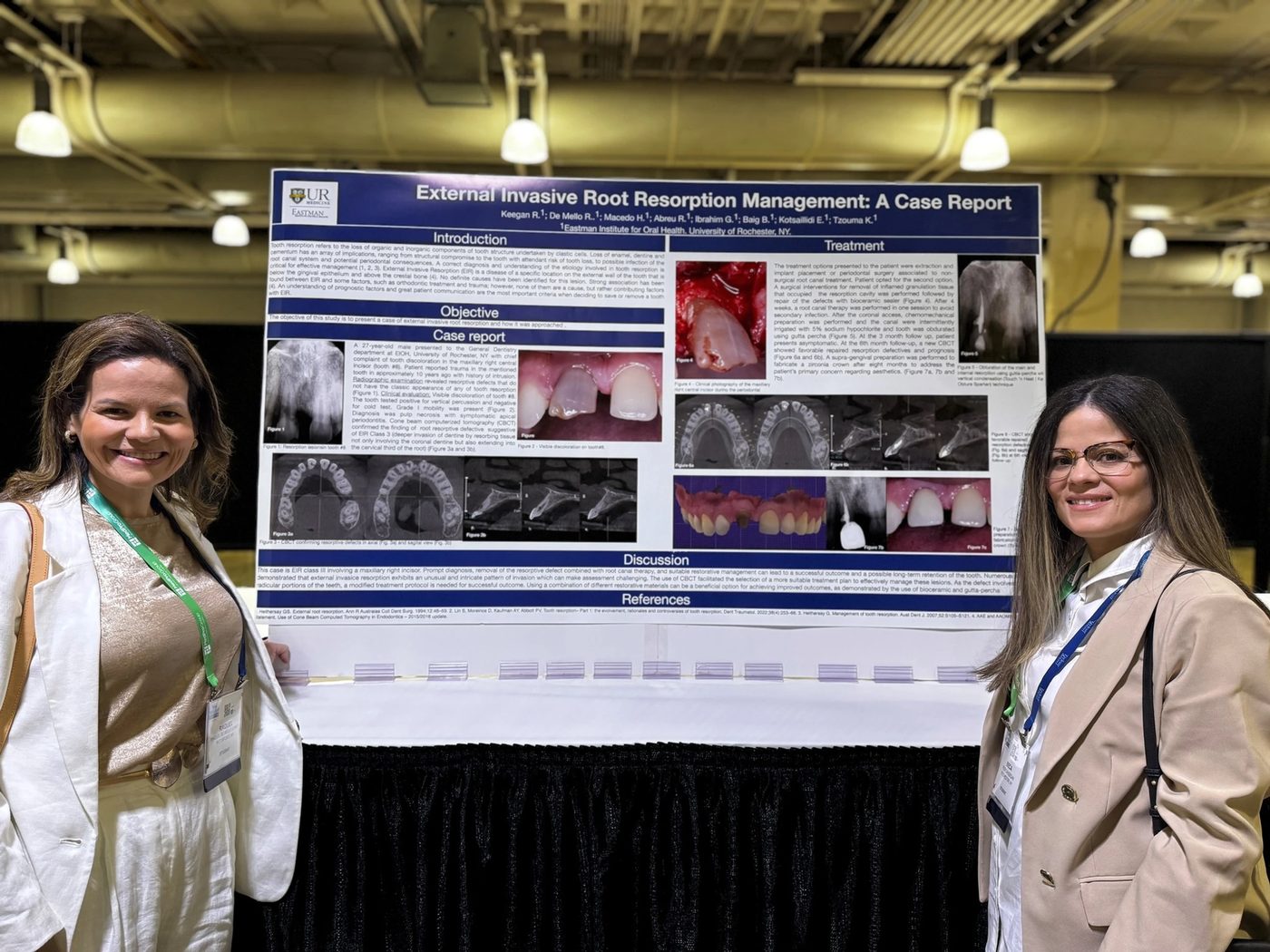
MTA vs. Biodentine for the Management of Open Apex in Immature Teeth
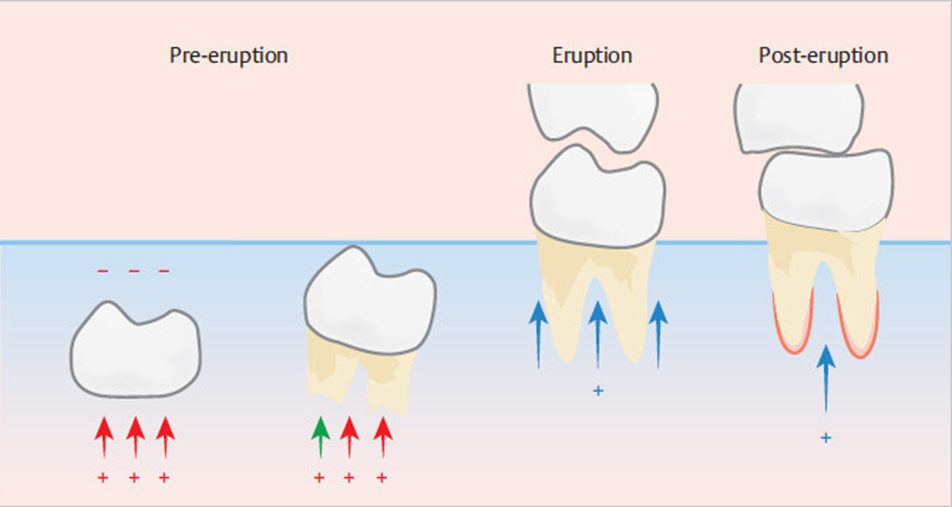
Understanding open apex in immature permanent teeth
Tooth development occurs in stages: first the crown forms, then the root develops. Even after a tooth erupts into the mouth, the root is still incomplete and usually takes about three years to finish developing.
When the natural process of root formation is interrupted, the root remains incomplete. This condition is known as incomplete rhizogenesis or open apex. The most common causes include:
- Dental trauma
- Deep dental caries
- Pulp necrosis in developing teeth
These situations create significant challenges for endodontic treatment.
Clinical challenges of treating open apex
Managing teeth with open apices presents several difficulties:
- Difficulty performing effective root-canal cleaning
- Lack of an apical stop, which makes sealing the canal difficult
- Thin root-canal walls that increase the risk of fracture
Because of these challenges, traditional root-canal techniques cannot always be used successfully.
Apexification: the traditional approach
A common strategy for nonvital immature teeth is apexification, a procedure designed to create an apical barrier that allows proper sealing of the root canal.
Historically, apexification was introduced in the 1960s using calcium hydroxide: it is placed inside the canal, and over several months it stimulates formation of a calcified barrier, after which the canal can be obturated with gutta-percha. However, this technique often requires 4 to 6 months or longer and multiple visits.
Evolution of apexification materials
Over the last two decades, several materials have been investigated to improve outcomes, including bone morphogenetic proteins, mineral trioxide aggregate (MTA), Biodentine, resorbable ceramics, freeze-dried bone or dentin, and dentinal shavings. Among these, MTA and Biodentine have become the most widely studied materials in modern endodontics.
Mineral Trioxide Aggregate (MTA)
MTA revolutionized apexification because of its excellent biological properties:
- Excellent sealing ability
- High biocompatibility
- Ability to stimulate hard-tissue formation
- Antimicrobial properties due to its high pH
It is composed primarily of Portland cement, bismuth oxide (for radiopacity), and gypsum, and is available in gray and white formulations. Despite its advantages, MTA has limitations: a long setting time (2 to 3 hours), difficult handling, higher cost, and potential tooth discoloration.
Biodentine: a new-generation material
Biodentine was introduced in 2009 as a tricalcium-silicate-based cement designed to overcome some of MTA's limitations. Its composition includes tricalcium silicate, calcium carbonate, zirconium oxide, and calcium chloride as a setting accelerator.
Faster setting time
Biodentine sets in approximately 10 minutes, compared with 2 to 3 hours for MTA.
Improved mechanical properties
- Higher flexural strength (around 34 MPa vs. 14 MPa for MTA)
- Increased microhardness over time
Biological properties
- Good antimicrobial activity
- Excellent biocompatibility with pulp and periodontal tissues
- Ability to stimulate dentin-bridge formation and tissue repair
Biodentine also promotes the release of growth factors such as TGF-β1, which supports regenerative processes.
Limitations of both materials
MTA: long setting time, handling difficulty, risk of discoloration, higher cost.
Biodentine: slightly lower radiopacity, and potential washout risk during the initial setting phase.
Clinical applications
Both materials have shown successful results in direct pulp capping, pulpotomy in primary and mature teeth, and apexification. However, research specifically focused on open-apex management in immature nonvital permanent teeth is still limited, highlighting the need for further studies.
Findings from current literature
- Biodentine can achieve faster apical-barrier formation
- MTA shows excellent sealing and filling characteristics
- Both materials support healing of apical lesions and tissue repair
Some studies also suggest Biodentine may be particularly useful when single-visit treatment is preferable, especially in pediatric or uncooperative patients.
Clinical implications
When selecting a material for apexification, clinicians must weigh treatment time, handling, biological properties, the clinical situation, and patient cooperation. Biodentine may offer practical advantages due to its faster setting time, while MTA remains a highly reliable material with strong supporting evidence.
Conclusion
Both MTA and Biodentine are effective materials for apexification in immature permanent teeth with open apices. Biodentine allows faster apical filling and shorter treatment time; MTA offers excellent sealing ability and long-term clinical success; and both demonstrate good biological compatibility and healing potential.
That said, current research still has limited evidence and potential bias, and further randomized clinical studies are needed to determine whether one material is definitively superior. For now, both remain **valuable