Endodontics: A Modern Overview
Dental endodontics is the branch of dentistry concerned primarily with the diagnosis, prevention, and treatment of diseases of the dental pulp and surrounding periapical tissues. The core objective is to maintain the health of the pulp or, when that isn't possible, to eradicate infection and protect the tooth from further microbial invasion.
Modern techniques and technologies
Recent advances have fundamentally transformed endodontic practice, bringing greater precision, efficiency, and higher success rates. The shift from manual to mechanical root-canal instrumentation, especially nickel-titanium (NiTi) rotary systems and heat-treated alloys, has made canal shaping safer and more predictable, particularly in curved or complex roots. Innovations such as eccentric rotary motion further optimize performance, while a continued emphasis on understanding canal morphology minimizes procedural complications.
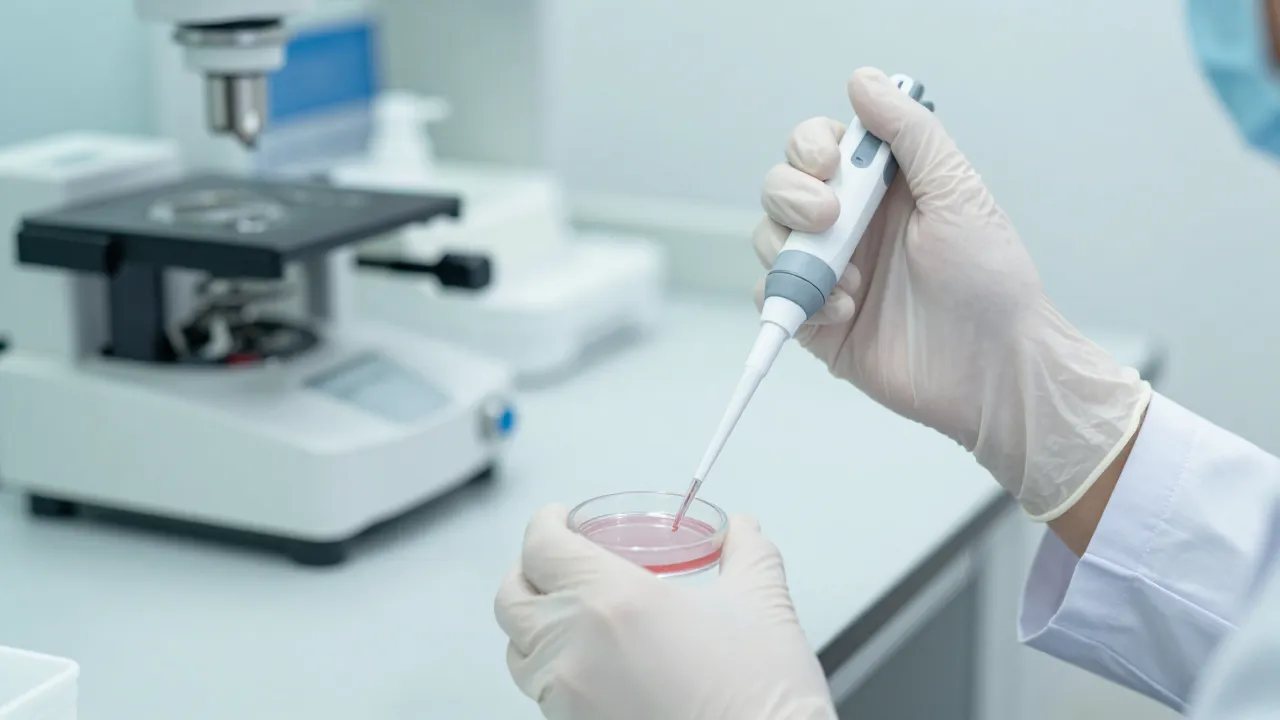
Enhanced canal cleaning and disinfection remain central. Chemical debridement, typically with sodium hypochlorite alongside agents like chlorhexidine and EDTA, is critical to eliminate bacterial biofilms within the intricate canal system. Newer methods such as passive ultrasonic irrigation, laser-activated irrigation, and agitation devices are being incorporated to improve the reach and antimicrobial efficacy of irrigants, with nanoparticle-based solutions showing promise.
Determining critical parameters such as working length and working width is essential for success. Techniques have advanced from traditional radiographs to integrated apex locators for precise measurement, though challenges in complex anatomies persist.
The role of imaging and visualization
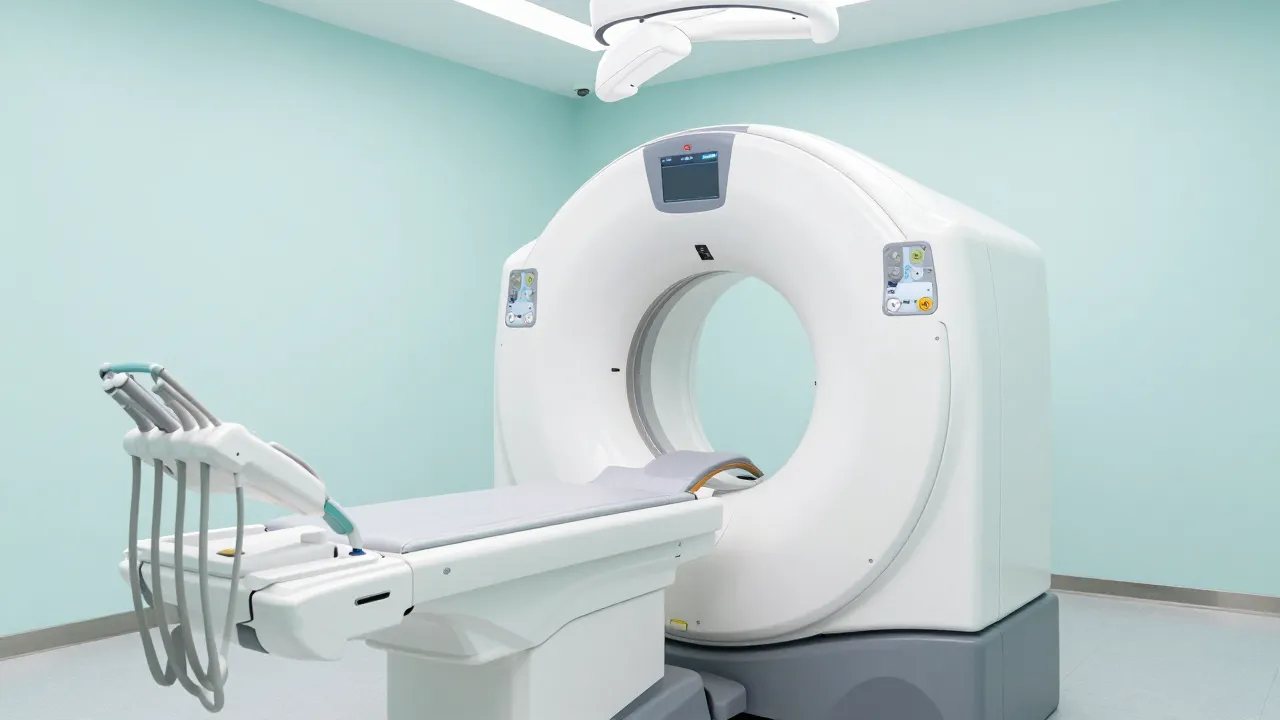
Imaging is now indispensable in endodontics, providing 2D and 3D insight for diagnosis, planning, and navigation. Cone-beam computed tomography (CBCT) allows detailed visualization of root-canal systems, especially valuable in cases with anatomical variations, calcifications, or missed canals. Static and dynamic guided endodontics, supported by 3D printing and CBCT integration, enable minimally invasive, targeted interventions and reduce iatrogenic errors.
Advances in micro- and nano-computed tomography facilitate high-resolution, non-destructive assessment of canal morphology and treatment efficacy in research settings. These complement the dental operative microscope, now routine for identifying hidden canals and managing complex cases with enhanced precision.
Irrigants, biomaterials, and obturation
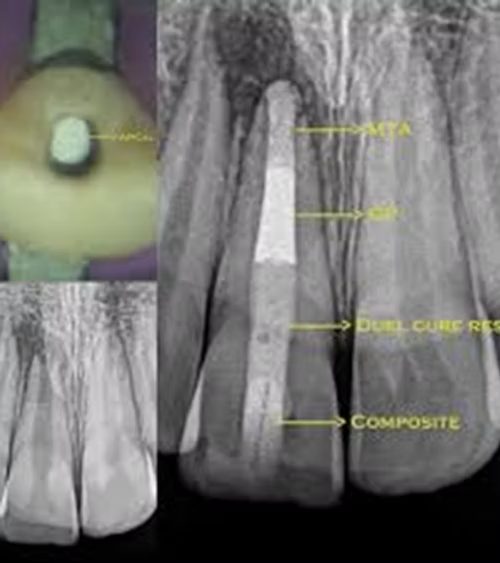
A critical outcome of endodontic therapy is thorough obturation: sealing the prepared canal. Gutta-percha remains the gold-standard filling material, though bioceramic sealers and synthetic alternatives are under review for their potential advantages in sealing capacity and bioactivity. Continued reliance on established materials is supported by insufficient clinical evidence to justify wholesale replacement.
Endodontic biomaterials aren't limited to obturation; they also include advanced pulp-capping agents, scaffolds for tissue engineering, and barriers for regenerative procedures. The use of stem-cell therapies and customizable hydrogel scaffolds for pulp tissue engineering represents an emerging frontier in regenerative endodontics, aiming to restore physiology and function rather than merely replacing lost tissue.
Microbiology, disinfection, and challenges
The complexity of root-canal anatomy, including isthmuses and lateral canals, makes microbial elimination difficult. Persistent pathogens like Enterococcus faecalis and Candida albicans can form biofilms that complicate eradication. Adjunctive medicaments such as calcium hydroxide remain routine but have limits against biofilm-formers, motivating laser activation, ultrasonic systems, and antimicrobial hydrogels. Postoperative pain and periapical healing are also being studied in relation to innovations like diode lasers.
Artificial intelligence and digital innovation
AI is increasingly applied in endodontics to aid diagnosis, treatment planning, image interpretation, and predictive analytics. It can support detection of pathology, measurement of canal length, prediction of painful outcomes, and decision-making in complex cases. Real-world integration is still early, with transparency and data-standardization challenges remaining.
Surgical and regenerative approaches
While non-surgical root-canal therapy is the standard for most cases, endodontic surgery, including microsurgery and root-end resection, allows retention of teeth with persistent pathology or anatomical challenges. These approaches now use magnification, ultrasonic instruments, and biocompatible root-end filling materials to enhance outcomes and minimize invasiveness.
Regenerative endodontic procedures are evolving rapidly, targeting regeneration of the pulp-dentin complex in immature teeth and potentially in mature teeth as well. Integrating stem cells, signaling molecules, and engineered scaffolds aims to recapitulate natural tissue and maintain vitality, an ambitious goal that distinguishes modern regenerative endodontics from traditional approaches.
Conclusion
Dental endodontics sits at the intersection of biological insight, technological innovation, and clinical expertise. The field is advancing quickly across instrumentation, imaging, materials, disinfection, biologically based therapies, and digital tools, collectively aiming to improve outcomes, extend the longevity of natural teeth, and move toward true tissue regeneration. Continued research, robust clinical studies, and interdisciplinary collaboration remain vital to fully realize this potential and