Bioceramic Sealers and the Single-Cone Technique: What the Evidence Says
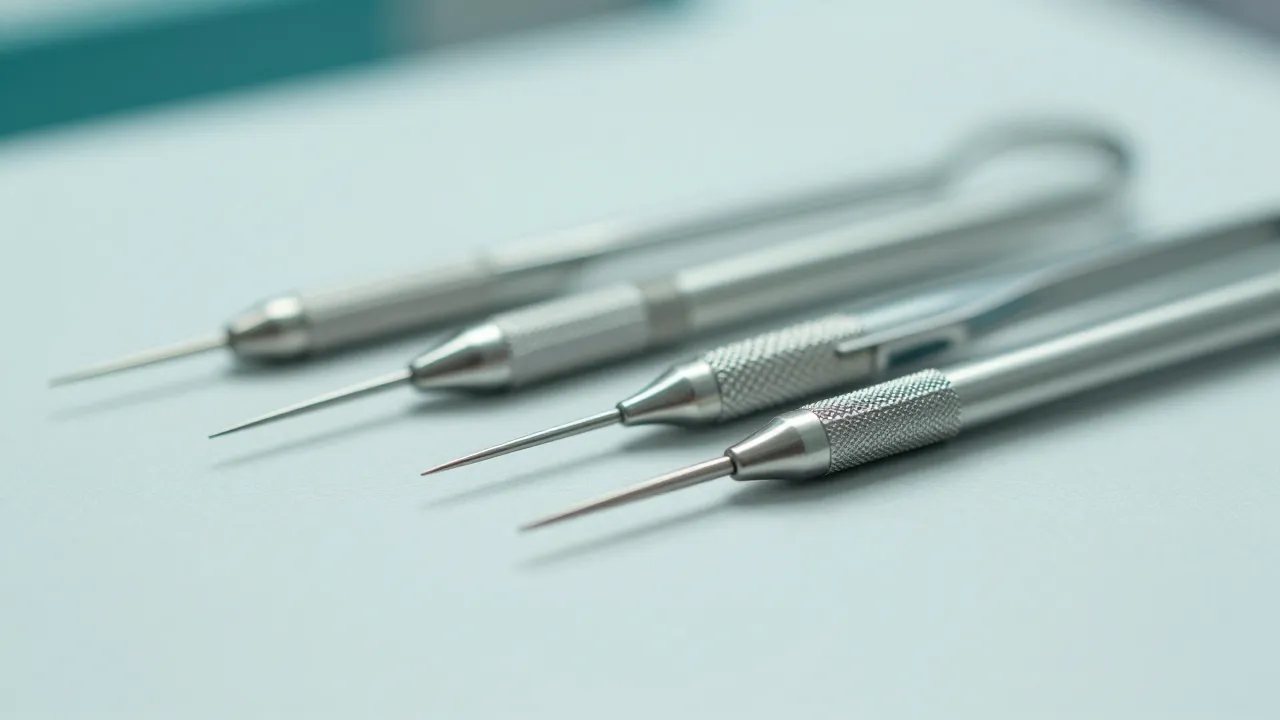
The final step of root canal treatment, obturation, has a deceptively simple goal: fill the disinfected canal space completely and seal it against reinfection. For decades the standard was gutta-percha compacted with a resin or zinc-oxide eugenol sealer, often using warm vertical compaction to adapt the material to irregular canal anatomy. In recent years, calcium silicate (bioceramic) sealers have reshaped that conversation and brought the older single-cone technique back into mainstream practice.
What makes a sealer "bioceramic"
Bioceramic, or hydraulic calcium silicate, sealers share their core chemistry with materials like MTA and Biodentine. They set through a reaction with water and, in doing so, release calcium hydroxide and form hydroxyapatite-like deposits at the material–dentin interface. Several properties follow from that chemistry:
- Bioactivity. The release of calcium and the high pH create an environment that is antibacterial and may encourage mineral formation at the interface.
- Excellent biocompatibility. These materials are generally well tolerated by periapical tissues, which matters when sealer is extruded slightly beyond the apex.
- Dimensional stability. Many calcium silicate sealers expand slightly on setting rather than shrinking, which favors a tight seal.
- Hydrophilic setting. They tolerate, even require, the moisture naturally present in dentinal tubules, unlike some traditional sealers.
The return of the single cone
Because a bioceramic sealer bonds to dentin and is dimensionally stable, clinicians increasingly place a single, well-fitted gutta-percha cone surrounded by sealer, rather than compacting multiple cones with heat. This single-cone (or hydraulic) technique is faster, generates less heat, and is more reproducible, particularly valuable in curved or narrow canals where heavy compaction is difficult.
In this approach the sealer is no longer a thin "glue" filling microscopic gaps; it becomes a substantial part of the filling volume. That is a meaningful philosophical shift, and it is why the quality of the sealer matters more than it once did.
What the research supports, and what it doesn't
The literature on calcium silicate sealers is large and growing, but it is worth separating what is well established from what is still being worked out.
Reasonably well supported:
- Laboratory studies consistently show good sealing ability and favorable biocompatibility.
- Short- and medium-term clinical studies report healing rates for the single-cone-with-bioceramic approach that are comparable to warm vertical compaction.
- Handling is simpler and more consistent, which can reduce procedural variability.
Still open questions:
- Long-term outcomes. High-quality, long-term randomized data are still accumulating; much of the evidence is laboratory-based or short-term.
- Retreatability. Because these sealers bond to dentin and set hard, removing them if retreatment becomes necessary can be more difficult than with traditional materials. This is an active area of study.
- Solubility and tubule penetration. Findings vary between products and testing methods, so brand and protocol matter.
Practical takeaways
Calcium silicate sealers are a genuine advance, but they are not a universal answer. Thorough cleaning and shaping of the canal remains far more important to success than the choice of filling material. A poorly disinfected canal will not be rescued by an excellent sealer. Clinicians weigh the simplicity and bioactivity of these materials against the practical reality that a future retreatment may be harder.
As with much of modern endodontics, the headline is nuance rather than hype: bioceramic sealers have earned their place, the single-cone technique is a legitimate and efficient option, and ongoing long-term studies will continue to refine exactly when and how to use them.
This article is for general educational purposes and is not a substitute for individualized advice from a qualified dentist or endodontist.